



Puppy development
Teaches your puppy the fundamentals of manners and control. It opens healthy communication and a positive relationship with your puppy. Between 10 to 14 weeks is the most critical time for puppies to be socialized.
After training, the puppy feels more relaxed, less stressed, and more secure. This strengthens the bond and trust between a puppy and its owner.
Key benefits
Healthy communication
Open up healthy communication with your puppy and develop the leader-follower relationship.
Teach your puppy properly
Teach your puppy right from wrong without being aggressive toward your puppy.
Control your puppy
Have control of your puppy when other people are around. Control puppy in a new environment to keep it safe.
Walks with your puppy
No leash pulling behavior means the puppy walks beside you or near you.
Puppy is a loved member of the family
Your puppy is integrated into your family, ensuring your puppy is a loved member of the family.
A happy and well-adapted puppy
Your puppy feels relaxed and isn't stressed constantly because it is well adapted to its environment.
Your companion
Your new puppy is a companion with you when you are out.
Lifetime puppy training support
Training you how to train your puppy is a crucial element of your puppy’s development. Even the strongest of “owners-trainers” need support from time to time. Knowing that you have me to support you over the life of your puppy is a reassuring asset.
Puppy Development Training Schedule

Under 10 weeks
The focus is housebreaking which includes potty training (as soon as puppy comes home), crate training, and managing biting (mouthing).
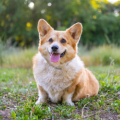
10 weeks to 14 weeks
Is the most critical development period in a puppy life. Puppies need behavior and socialization development with positive reinforcement. This will prevent puppy aggression toward other dogs and people. This is the time to set expectations so your puppy has a job to deliver on.
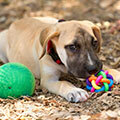
14 to 16 weeks
Two things happen at this stage:
- All puppies go through a fear period during those 2 weeks. It is not due to lack of socialization. It is hardwired and not environmental. As owners, we must be very supportive and create safe space for the puppy to learn and develop in.
- The puppy can start learning more complex patterns.
Examples of more complex patterns are:
- Going from a sit to a down position
- Doing a moving recall from a distance and the puppy staying focused on the handler.
Attention span for learning a behavior must be given within 1.5 seconds or the puppy will not understand the behavior you are marking (rewarding). Their long-term memory is surprisingly lengthy.
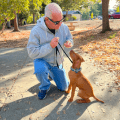
Over 16 weeks
WIth fundamental socialization skills and the puppy's ability to better handle stressors and adapt to changing environments, the puppy is now ready for Basic Dog Obedience Training.
Basic Dog Obedience Training consists of basic on-leash obedience training with differnet lessons and desired behaviors incorporated.
Once Basic Obedience Training is mastered, we move to advanced off-leash obedience training which enables owners to control their dog using voice commands.

What your puppy will learn in Puppy Development
Puppy Development Training provides puppies that are between 10 to 14 weeks of age with the socialization skills they need to adjust to their environment, handle stressors better, and successfully interact with their owner .
Between 10 to 14 weeks, is the most critical development window of time for a puppy to be socialized so it’s able to better handle the hard-wired fear period it goes through from 14 to 16 weeks of age.
Exposing your puppy to socialization training early on prevents puppy shyness, excessive barking, chewing, anxiety, and depression (yes your puppy can become depressed).
When this time passes, if a puppy hasn’t been socialized, it will require some type of behavior modication when it’s an adult because it didn’t learn fundamental skills during its peak social development period.

Puppy checks in and engages
This important behavior will teach your puppy how to check in with its owner. Checking in is vital because you can't train a puppy who doesn't pay attention.

Good home manners are a must
Home manners include but are not limited to housebreaking, biting, not jumping, not chewing on furniture or ripping cloths, not tearing or digging up the backyard, scaring the children, and so on.

Opening lines of communication
By training early, you open the lines of communication. This teaches your puppy to respond to your voice and obedience commands.
The results are a truly happy relationship between you and your puppy.
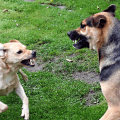
All unwanted behaviors
Any other general unwanted behavior will be addressed in this course. Let’s stop unwanted behaviors before they become bad habits.
Most importantly, early puppy training helps prevent aggression toward other dogs and people. Stop fears and phobias before they start.
Establish engagement with your dog
Hear from our clients

I wish we had met Gary years ago, we have had several German Shepherd and his training is simply amazing. Our rescued 1 year old German Shepherd Olivia LOVES Gary. His training program has greatly helped Olivia's issues. She can now walk nicely on a leash, great down/sit, and I could go on and on. He is the very best. Highly Recommend. 


I reached out to Gary for help with my dog Peaches and her leash reactivity, and he was extremely prompt in responding. The initial consultation went very well, and I learned so much about dog communication and how to better support Peaches. I also learned that she is a highly anxious dog, which explained many of the challenges I had been concerned about. We enrolled in Gary's six-week program and finished with the tools and knowledge needed to keep Peaches on the right track toward recovery. Just like humans, dogs rehabilitate at their own pace, and over those six weeks Peaches made significant progress. We're looking forward to enrolling in advanced training once she's ready so she can enjoy more freedom off-leash. Gary is not like other trainers we've worked with. He doesn't rely on obedience-based shortcuts or gimmicks. Instead, he teaches you how to work through real situations and explains the theory behind his approach so you truly understand what's happening and how to handle stressful moments. Most importantly, Gary teaches you how to become the focal point for your dog, which has made a lasting difference for us. 


We just completed both the introductory and advanced training programs with Gary and we could not have had a better experience. Gary helped our high energy dog (GSP) and more importantly, helped us to understand the fundamentals of training and dog behavior. We are now able to take our dog on off leash hikes with total faith in his recall which we couldn't have dreamed just a few months ago. Thank you so much Gary!!!